
Our Community
Find a Centre Near You
With over 70 centres and groups across the UK, a Sai family may be closer than you think. Simply enter your city or postcode below to connect with fellow devotees for Bhajans, Seva and Namasmarana.
Stay Updated
Latest News & Announcements
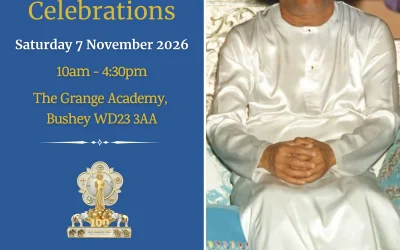
National Birthday Celebrations 2026
SSSOUK CIO invites you and your family to the National Birthday Celebrations marking 100 years of Bhagawan Sri Sathya Sai Baba, on Saturday 7th November 2026. The day will include bhajans, talks, seva activities and Mahaprasadam.

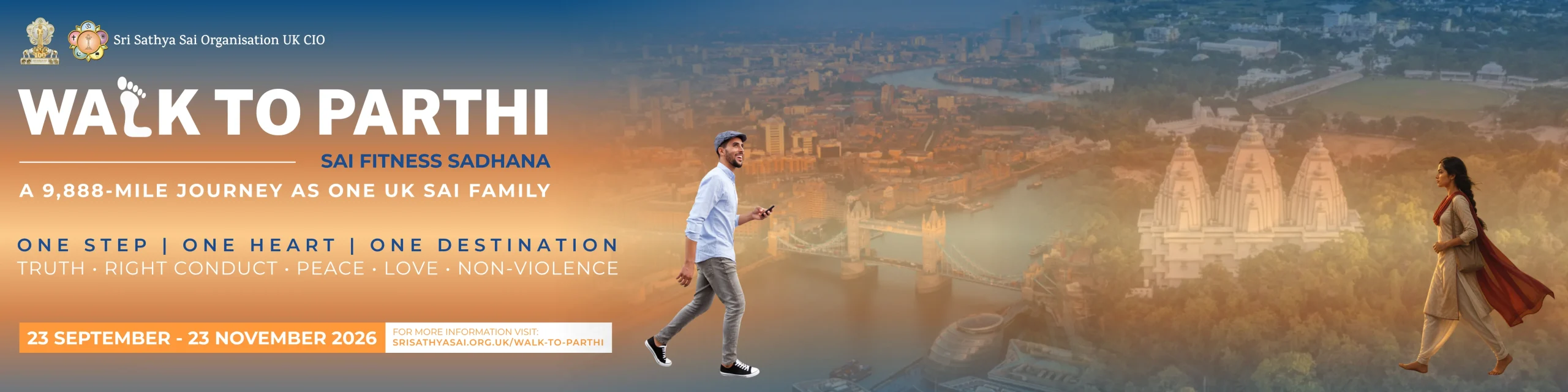
Walk To Parthi | Sai Fitness Sadhana
To celebrate Bhagawan Sri Sathya Sai Baba’s 100th Birthday, SSSO CIO UK invites devotees, families and Sai Centres across the UK to take part in Walk to Parthi, a national fitness and spiritual sadhana challenge.
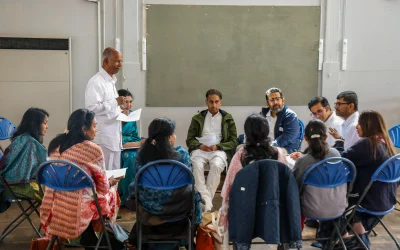
National Bal Vikas Conference 2026
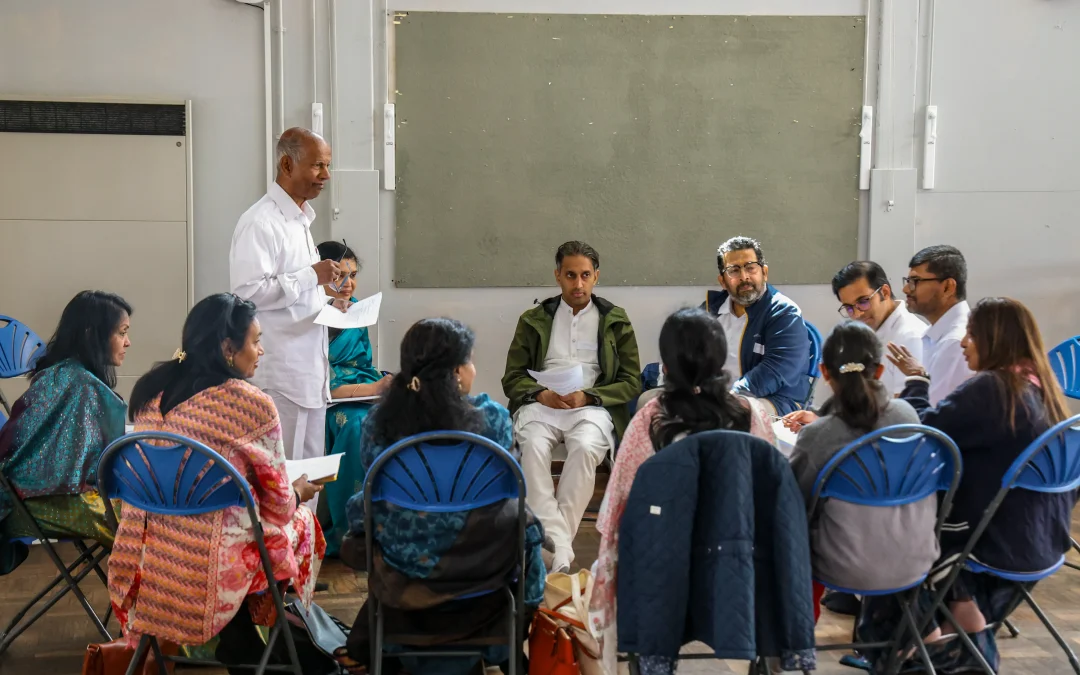
On 6th June, around 100 gurus and parents from across the UK gathered for the National Bal Vikas Conference. The morning started with soulful Vedam chanting, followed by a thought‑provoking video of Swami describing three types of teachers.
Our Organisation
Four Wings of Transformation
Our organisation operates through four interconnected wings,
each dedicated to different aspects of spiritual and humanitarian work.


Sai Inspires

What are the three forms of attachment that bind man and obstruct his path to liberation? Bhagawan answers this key question for us today so that we may introspect.
There is one common quality present in all living beings: Moha (attachment). This quality is present equally in human beings too. But humans alone have the competence to overcome this moha and attain moksha (liberation). The maya (illusion) which envelops man drives him to take to wrong courses. Maya has three qualities: Satwa, Rajas, and Tamas (purity, passion, and inertia). Through these qualities, man tends to forget his divinity and humanness and behaves like an animal. The three qualities of maya and the three forms of moha combine to make man a demon. The three forms of moha are the desire for wealth, attachment to the wife, and attachment to children. These three make man a slave to moha. The man who conquers these three desires can transcend moha. When moha declines, moksha becomes attainable. Liberation is the elimination of moha (attachment). Everyone should strive to bring these three desires under control.
- Divine Discourse, Apr 15, 1995
Explore
Past Events